
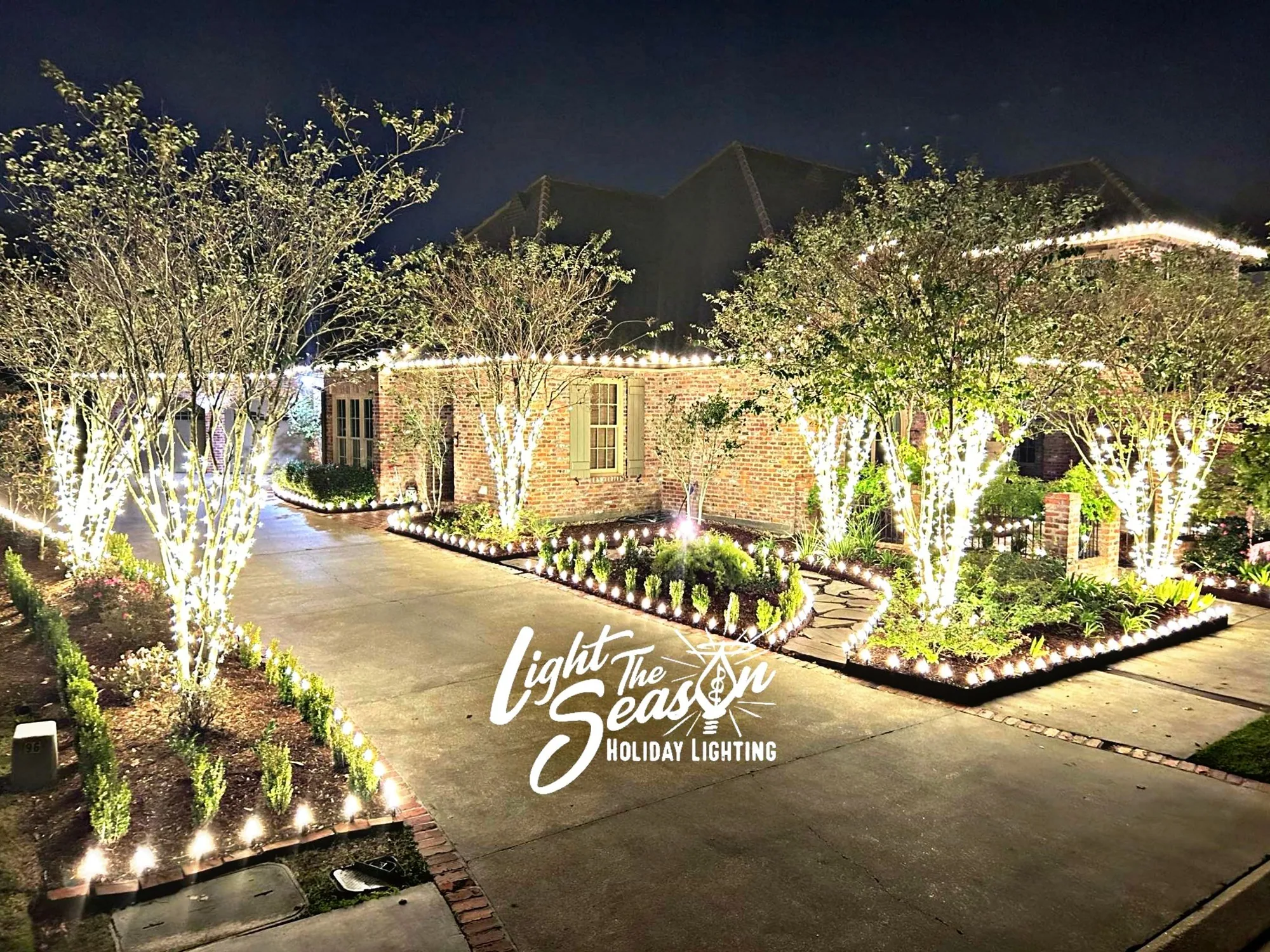
Landscape lighting
Tree and Landscape Christmas Light Installation
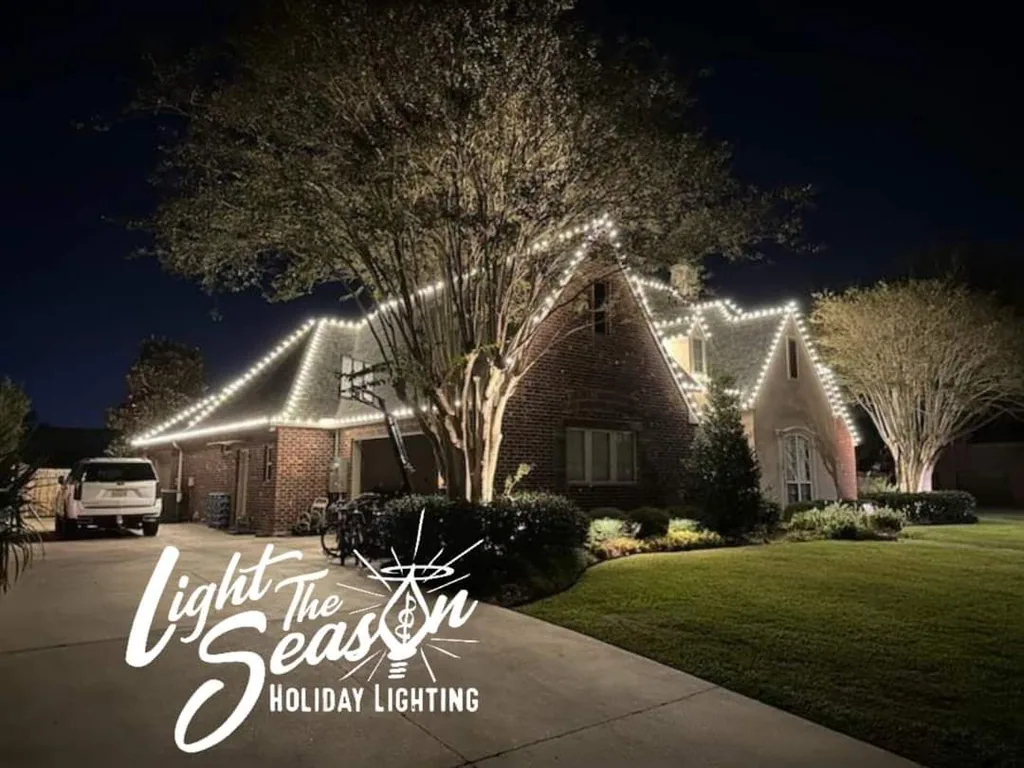
Add depth beyond the roofline with trees, shrubs, pathways, and landscape features that create a complete nighttime scene.
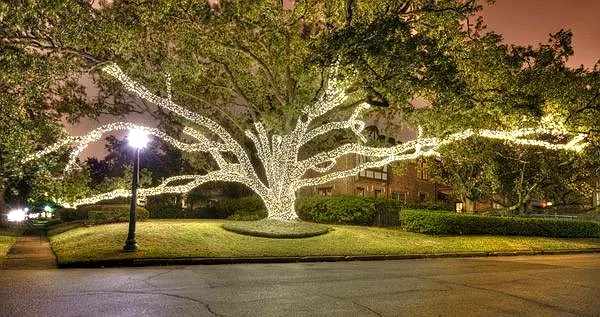
Request a landscape lighting quoteTree and landscape lighting wraps trunks and canopies, lights shrubs and pathways, and creates focal points that a roofline alone can't provide, using methods that avoid damaging bark or restricting growth.
Landscape lighting gives a holiday display depth. It draws the eye from the property line to the entry and creates focal points that a roofline alone cannot provide.
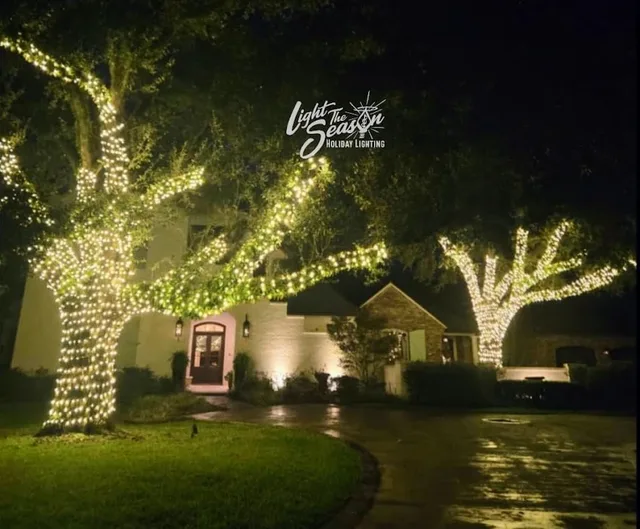
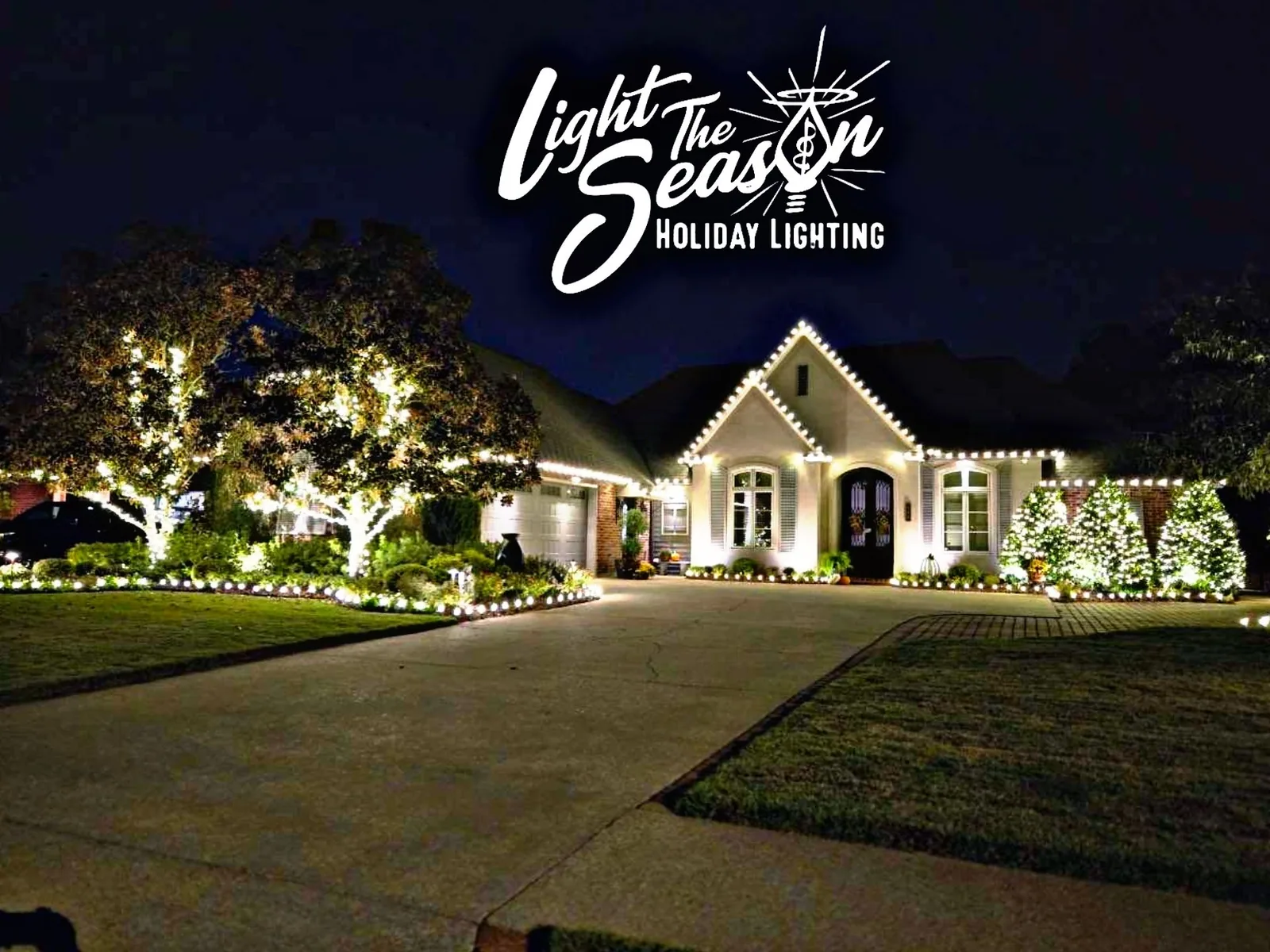
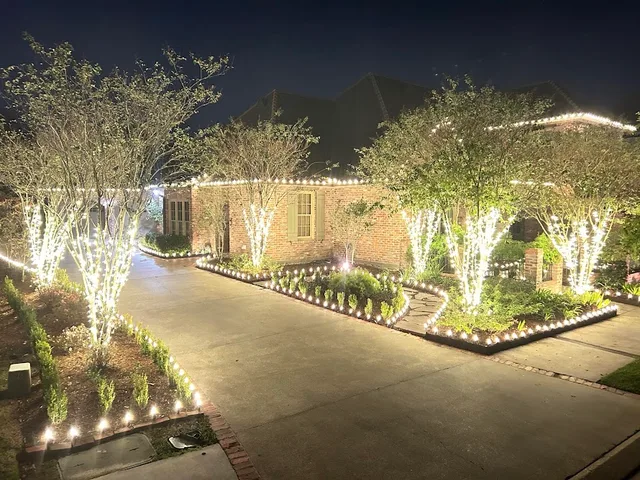
Why professional tree lighting looks better
More visual depth
Lighting at multiple distances creates a richer scene than a single line on the building.
Stronger focal points
A wrapped trunk, canopy, or entry tree can become the signature feature.
Better arrival experience
Pathway and entry accents guide guests toward the property.
Flexible scope
Landscape zones can be added over time without replacing the core roofline.
Depth that reads from the street and up close.
Design options
- Trunk wrapping on one or two focal trees
- Full canopy lighting for larger statement trees
- Shrub and hedge base lighting
- Pathway and border accent lighting
What's included
- Tree and landscape assessment
- Trunk or canopy concept
- Shrub and hedge options
- Pathway or entry accents
- Connection routing
- Timer setup
- Maintenance access
- Removal plan
How the project works
- 01
Walk the landscape
Identify the trees, shrubs, and pathways with the strongest visual potential.
- 02
Choose focal points
Select one or two signature features rather than lighting everything equally.
- 03
Wrap and place
Install trunk, canopy, shrub, or pathway lighting using non-damaging methods.
- 04
Connect and test
Route power and confirm the display reads clearly after dark.
- 05
Remove on schedule
Take down materials before spring growth resumes.
Local considerations
Large mature oaks are common across Lafayette Parish yards — canopy size and branch structure vary enough that each tree needs its own access and wrapping plan.
Frequently asked questions about tree & landscape christmas lighting
Can you wrap large trees?
Potentially — tree size, access, branch structure, and installation time are evaluated before quoting.
Will lighting damage trees or shrubs?
The method should avoid constricting growth or using damaging fasteners, and seasonal materials still need timely removal.
Can landscape lighting be added later?
Yes — a phased plan can begin with a roofline and add selected trees, shrubs, or entry features later.
What electrical safety details matter most?
Exterior-rated connections, GFCI-protected outlets, and not overloading a single circuit are the three most common failure points in DIY displays.